
Herniated Disc vs Sciatica: How to Tell the Difference?
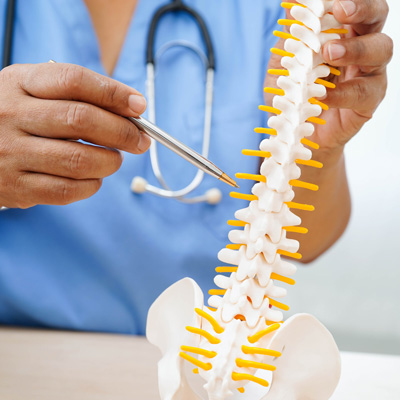
Understanding herniated disc vs sciatica isn’t just medical trivia. It’s essential for getting the right treatment and knowing what to expect during recovery. One is the structural problem; the other is the symptom that problem creates.
Let’s clear up the confusion once and for all, so you can have informed conversations with your healthcare providers and make better decisions about your care.
What Is a Herniated Disc?
Picture your spinal discs as jelly donuts stacked between your vertebrae. Each disc has a tough outer ring (annulus fibrosus) and a soft, gel-like center (nucleus pulposus). When that outer shell weakens or tears, the inner jelly can push through – that’s a herniated disc.
Common causes
- Poor posture habits – Years of slouching or improper sitting positions
- Heavy lifting – Especially with improper technique or twisting motions
- Age-related degeneration – The discs’ outer layers weaken over time
- Spinal misalignment – Uneven pressure distribution accelerates wear
Sometimes a specific incident triggers the herniation – lifting a heavy box, a car accident, or even a particularly aggressive sneeze. Other times, the disc has been weakening for years, and it finally gives way during a routine movement.
Location Matters

Most herniated discs occur in the lumbar region – that’s your lower back – because it bears the most weight and handles the most twisting and bending.
What Is Sciatica?
Your sciatic nerve is impressively long – the longest single nerve in your entire body. It starts in your lower back, runs through your buttocks, and travels down each leg to your feet. When this nerve gets irritated or compressed anywhere along its route, you experience sciatica.
Classic sciatica symptoms:
- Electric, shooting pain that radiates from your lower back
- Pain traveling through your buttock and down the back of your leg
- Numbness or tingling in your leg or foot
- Weakness in your leg or foot muscles
- Pain that typically affects one side (though both sides can be involved)
What Triggers Sciatica?
Many different conditions can cause sciatica. It’s not just herniated discs, though they’re certainly one of the most common culprits.
- Spinal stenosis – Narrowing of the spinal canal
- Piriformis syndrome – A tight buttock muscle compressing the nerve
- Spondylolisthesis – One vertebra slipping forward over another
- Pregnancy – Hormonal changes and baby’s position creating pressure
- Trauma – Injury directly impacting the nerve pathway
How a Herniated Disc Can Cause Sciatica
Now we’re getting to the heart of the matter: the connection between these two conditions. This is where the difference between herniated disc and sciatica becomes crystal clear.
The Anatomical Connection
When a disc herniates in your lower back, that bulging material can press directly on the nerve roots that form the sciatic nerve. The nerve exits the spinal canal through small openings called foramina. If a herniated disc reduces that space, the nerve gets squeezed.
Think of it like a garden hose with someone stepping on it – the water (nerve signals) can’t flow properly, and pressure builds up. That pressure translates to pain, numbness, and weakness following the nerve’s distribution.
The Pain Pattern
Herniated disc causing sciatica creates a very specific pattern we see repeatedly:
- Pain starts in the lower back (where the disc is damaged)
- Radiates through the buttock (as it affects the nerve root)
- Travels down the leg (following the sciatic nerve pathway)
- May worsen with sitting, coughing, or sneezing (activities that increase disc pressure)
An Important Distinction
Here’s something many people don’t realize: not every herniated disc causes sciatica. You can have a bulging or herniated disc that never touches a nerve. In these cases, you might have localized back pain and stiffness, but no radiating leg symptoms.
Conversely, you can have sciatica without a herniated disc if something else is compressing the nerve. That’s why proper diagnosis matters so much – treating the wrong problem won’t get you better.
See more: Chiropractic Techniques for Relieving Sciatica Pain
Herniated Disc vs Sciatica: Key Differences at a Glance
This table illustrates the fundamental concept: herniated disc vs pinched nerve situations overlap frequently, but they’re not identical conditions. The herniated disc is the cause; sciatica is the effect when that disc impacts nerve tissue.
Non-Surgical Treatments That Work
The good news? Most cases of both herniated discs and sciatica resolve with conservative treatment. Surgery should be the last resort, not the first option.
Spinal Decompression Therapy
This is where we see some of our most dramatic results. Spinal decompression therapy for herniated disc works by creating negative pressure within the disc, allowing herniated material to retract naturally.
How decompression helps both conditions:
- Reduces pressure on the affected disc
- Creates space for the herniated material to move back into position
- Takes pressure off the sciatic nerve root
- Promotes nutrient flow for disc healing
- Non-invasive with no recovery time needed
Corrective Chiropractic Care
While decompression addresses the disc itself, chiropractic adjustments correct the underlying spinal misalignments that contributed to the problem in the first place.
Benefits of chiropractic care:
- Restores proper spinal alignment and biomechanics
- Reduces inflammation in the surrounding tissues
- Improves mobility and flexibility
- Prevents future disc problems through better spinal function
Gentle, specific adjustments take pressure off irritated nerves while improving overall spine health. We’re not just chasing symptoms – we’re correcting the root cause.
Complementary Therapies
Non-surgical treatment for sciatica and herniated disc works best when you combine multiple approaches. We typically integrate several supportive therapies:
In-office treatments:
- Massage therapy to relax tight muscles and improve circulation
- Therapeutic stretching to maintain flexibility
- Core strengthening exercises to support the spine
At-home care strategies:
- Posture correction during sitting and standing
- Heat and ice therapy alternated for pain management
- Ergonomic modifications to your workspace and sleeping arrangements
- Gentle walking to maintain mobility without aggravating symptoms
Get the Right Diagnosis and Treatment Plan
Confusion between these terms is common, but understanding the distinction helps you communicate better with providers and make informed decisions. Whether you’re dealing with a herniated disc, sciatica, or both, conservative care should always be your first approach.
Still wondering whether your pain stems from a herniated disc, sciatica, or something else entirely? At North Alabama Spine & Rehab, we specialize in accurately diagnosing and effectively treating both conditions without surgery.
As an experienced chiropractor Huntsville AL team, we use advanced diagnostic tools and proven therapies like spinal decompression to get you back to pain-free living. We don’t just treat symptoms – we identify and correct the underlying problem.
Your next step: Schedule a comprehensive evaluation today. We’ll review your symptoms, perform necessary imaging, and create a personalized treatment plan targeting your specific condition.
Call us now to book your consultation and discover the natural path to lasting relief from sciatica and herniated disc pain.