
Is Spinal Decompression Therapy Safe for Seniors?
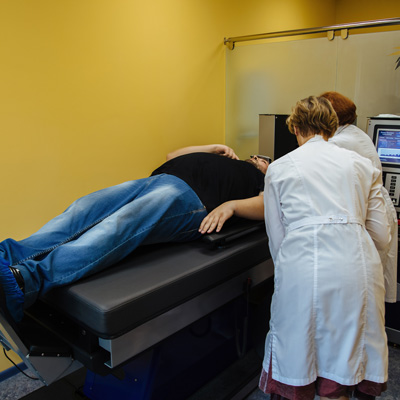
Is spinal decompression therapy safe for seniors? The short answer is yes – when done properly by qualified professionals. But let’s dive deeper into why this gentle, non-surgical treatment has become a game-changer for older adults seeking relief from chronic back pain.
Why Back Problems Are More Common in Seniors
Let’s face it – our spines aren’t getting any younger. As the years go by, several factors contribute to increased back problems in seniors:
- Age-related changes hit hard. Our spinal discs naturally lose water content and height over time. Think of them like sponges that slowly dry out. This process, called disc degeneration, reduces the cushioning between vertebrae and can lead to pain.
- Posture problems multiply with age. Years of sitting at desks, looking down at phones, or favoring one side due to pain create lasting changes in spinal alignment. Meanwhile, reduced bone density from osteoporosis makes vertebrae more vulnerable to compression fractures.
- The mobility trap becomes real. When movement hurts, we move less. However, decreased activity actually weakens the muscles that support our spine, creating a vicious cycle of pain and immobility.

Is Spinal Decompression Therapy Safe for Seniors?
Here’s where the good news begins. Modern spinal decompression therapy has an excellent safety profile, especially for seniors when properly administered.
Today’s technology prioritizes comfort. Unlike older traction methods that could be uncomfortable or jarring, current decompression tables use computerized systems that gently separate vertebrae. The treatment feels more like a gentle stretch than a medical procedure.
We tailor every treatment for older adults. At our clinic, we understand that seniors need a different approach. We start with lower forces, monitor responses more closely, and adjust treatment based on each patient’s comfort level and medical history.
Common fears? Let’s address them head-on:
- “Will it hurt?” Most patients find the treatment relaxing, often falling asleep during sessions
- “Could it cause fractures?” The gentle, controlled nature of modern decompression makes fractures extremely rare
- “Am I too old for this?” Age alone isn’t a barrier – we’ve successfully treated patients well into their 80s
Chiropractic BioPhysics® makes it even safer. This advanced approach combines spinal decompression with corrective exercises and postural rehabilitation. By addressing the root cause of spinal problems, we create lasting improvements while minimizing risks.
Who Should Avoid Spinal Decompression?
While spinal decompression for seniors is generally safe, certain conditions require extra caution or may be contraindications:
Absolute contraindications include:
- Severe, untreated osteoporosis
- Recent spinal fractures
- Spinal hardware or fusion in the treatment area
- Unstable spine conditions
- Recent spinal surgery (within 6 months)
Relative contraindications require evaluation:
- Mild osteoporosis (may still be treatable with modifications)
- Previous spinal surgery (depends on type and location)
- Certain types of spinal stenosis
- Active infections or tumors
Why professional evaluation matters most. Before any treatment, we conduct thorough examinations including medical history review and imaging studies (X-rays or MRI when necessary). This comprehensive approach ensures we identify any safety concerns before beginning therapy.
A study by Macario and Richmond (2005) in Archives of Physical Medicine and Rehabilitation found that proper patient screening reduced adverse events in spinal decompression therapy by over 90%.
Benefits of Spinal Decompression Therapy for Seniors
The advantages of non-surgical spinal decompression therapy for older adults extend far beyond simple pain relief:
Relieves Pressure on Discs and Nerves
Gentle traction creates negative pressure within spinal discs, allowing them to retract and reduce pressure on surrounding nerves. This process, called the “vacuum effect,” has been documented in studies by Ramos and Martin (1994).
Helps Slow Age-Related Disc Degeneration
By improving nutrient flow to discs and reducing compression forces, decompression therapy may slow the natural aging process of spinal structures.
Improves Mobility, Flexibility, and Balance
As pain decreases and spinal alignment improves, seniors often experience:
- Increased walking distance
- Better balance and coordination
- Improved flexibility for daily activities
- Enhanced overall physical confidence
Offers a Safe, Non-Surgical Pain Relief Option
Surgery carries significant risks for seniors, including:
- Anesthesia complications
- Extended recovery periods
- Infection risks
- Limited success rates
Spinal decompression provides an effective alternative without these concerns.
Reduces Dependency on Medications
Many seniors take multiple medications daily. By addressing pain at its source, spinal decompression can help reduce reliance on pain medications and their associated side effects.
Supports Natural Healing and Healthier Posture
The treatment encourages the body’s natural healing processes while corrective exercises improve posture and prevent future problems.
Enhances Quality of Life
Perhaps most importantly, successful treatment helps seniors:
- Sleep better through the night
- Enjoy activities with grandchildren
- Maintain independence in daily tasks
- Feel confident walking and moving
Patient Experience: What Seniors Can Expect
A typical session unfolds like this:
You’ll lie comfortably on a specialized decompression table while a harness system gently supports your pelvis. The computerized table gradually applies gentle traction, creating space between vertebrae.
Most sessions last 20-30 minutes. Many patients describe the sensation as a gentle pulling or stretching feeling. It’s so comfortable that about 60% of our patients fall asleep during treatment!
Treatment frequency varies by condition:
- Acute conditions: 3-4 times per week initially
- Chronic conditions: 2-3 times per week
- Maintenance: Once weekly or bi-weekly
Progress tracking keeps you informed. We monitor your improvement through:
- Pain level assessments
- Mobility measurements
- Functional improvement tests
- Follow-up imaging when appropriate
Realistic timeline expectations:
- Initial relief: Often within 2-6 sessions
- Significant improvement: 4-8 weeks
- Maximum benefit: 8-12 weeks
See more: Improving Quality of Life with Decompression Therapy
Next Steps for Seniors Seeking Relief
Consider spinal decompression when:
- Conservative treatments haven’t provided adequate relief
- You want to avoid surgery
- Pain interferes with daily activities
- You’re motivated to participate in active treatment
Why choosing the right provider matters tremendously. Not all spinal decompression is created equal. Look for providers who:
- Specialize in treating seniors
- Use modern, FDA-cleared equipment
- Combine decompression with comprehensive care
- Have extensive experience with older adults
Our expertise makes the difference. At North Alabama Spine & Rehab, we combine advanced Chiropractic BioPhysics® techniques with state-of-the-art spinal decompression technology. This unique approach addresses not just symptoms but underlying postural and structural problems.
As your trusted chiropractor in Huntsville AL, Dr. Adam Shafran and our team understand the unique challenges seniors face. We’ve helped hundreds of older adults regain their mobility, reduce pain, and reclaim their independence through safe, effective spinal decompression therapy.
Ready to take the first step toward a pain-free life? Contact North Alabama Spine & Rehab today to schedule your comprehensive evaluation. Let’s work together to determine if spinal decompression therapy is the right solution for your unique needs.
FAQs
Is spinal decompression safe for seniors with osteoporosis?
Mild to moderate osteoporosis isn’t automatically a barrier to treatment. We modify force levels and monitor closely. However, severe osteoporosis requires careful evaluation and may be a contraindication.
How many sessions are usually needed?
Most seniors see improvement within 12-20 sessions, though this varies by condition severity and individual response. Chronic conditions may require longer treatment periods.
Will I feel pain during or after treatment?
The treatment itself should be comfortable. Some patients experience mild soreness afterward, similar to the feeling after gentle exercise. This typically resolves within hours.
How soon can results be felt?
Many patients notice some improvement within the first few sessions. However, significant, lasting results typically develop over 4-8 weeks of consistent treatment.