
Most Common Injuries Sustained Through a Vehicle Collision
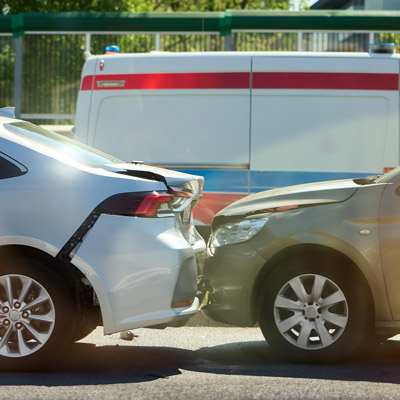
Understanding the most common injuries sustained through a vehicle collision is the first step toward getting the right care. Some injuries are obvious immediately. Others don’t show up until days or weeks later, which is why early evaluation is so critical.
This article walks you through what happens to your body during a crash and the injuries we see most often. Whether you were in a minor fender bender or a serious accident, this information can help you know what to watch for and when to seek help.
Most Common Physical Injuries After a Car Accident
Neck and Spine Injuries
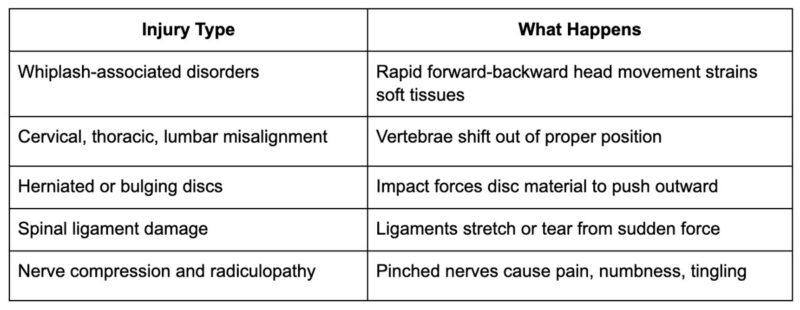
Neck and spine injuries are by far the most common injuries after a car accident. The sudden impact forces your head and body in directions they weren’t designed to move, causing damage to bones, ligaments, discs, and nerves.
Common neck and spine injuries include:
Head and Brain Injuries
Your brain is suspended inside your skull in cerebrospinal fluid. During a collision, it can slam against the inside of your skull, causing injury even if you never hit your head on anything.
Common head injuries from vehicle collisions:
- Concussions (even without loss of consciousness)
- Mild to severe traumatic brain injuries (TBI)
- Skull fractures from direct impact
- Post-concussion symptoms (headaches, dizziness, brain fog)
These injuries require immediate medical evaluation. Never assume you’re fine just because you feel okay at the scene.
Back Injuries
Your back absorbs tremendous force during a collision. The muscles, joints, and connective tissues can all be damaged in ways that don’t become obvious until inflammation sets in.
Types of back injuries we commonly treat:
- Muscle strains and sprains throughout the back
- Facet joint injuries causing sharp, localized pain
- Disc degeneration triggered or accelerated by trauma
Back injuries often worsen over time if left untreated, turning acute pain into chronic disability.
Bone Fractures and Skeletal Injuries
The force of impact can break bones throughout your body, especially in areas that absorb direct contact or sudden stress.
Common fracture sites:
- Rib fractures from seatbelt pressure or steering wheel contact
- Arm, wrist, and hand fractures from bracing against impact
- Leg, ankle, and foot fractures from footwell compression
- Pelvic fractures in severe side-impact collisions
Any suspected fracture requires immediate imaging and medical treatment.
Joint and Soft Tissue Injuries
Joints and soft tissues throughout your body can be damaged during the violent forces of a collision.
Frequently injured areas include:
- Shoulder injuries (rotator cuff tears, labrum damage)
- Knee injuries (meniscus tears, ligament damage)
- Hip injuries and labral tears
- Soft tissue tears and chronic inflammation
These injuries often don’t heal properly without targeted rehabilitation and corrective care.
Internal and Life-Threatening Injuries
Not all injuries from a vehicle collision are visible from the outside. Internal damage can be silent and deadly.
Critical internal injuries include:
- Internal bleeding that develops slowly
- Organ damage affecting lungs, liver, or spleen
- Chest and abdominal trauma from seatbelt or airbag force
If you experience abdominal pain, difficulty breathing, or dizziness after an accident, seek emergency care immediately.
Facial, Dental and Airbag-Related Injuries
Airbags save lives – but they can also cause injuries of their own. The same goes for seatbelts and contact with vehicle interiors.
Common facial and contact injuries:
- Facial fractures from airbag deployment
- Dental trauma and broken teeth
- Burns or abrasions from airbag chemicals
- Seatbelt bruising and soft tissue damage across chest and shoulder
These injuries are often combined with other trauma and should be evaluated as part of a complete post-accident assessment.
See more: Top 5 Common Car Accident Injuries (And How Chiropractic Aids Recovery)
Non-Physical Injuries After a Vehicle Collision
Psychological and Emotional Trauma
The impact of a car accident isn’t just physical. Many people develop lasting psychological effects that interfere with daily life.
Common psychological injuries include:
- Post-Traumatic Stress Disorder (PTSD)
- Anxiety and fear of driving
- Sleep disturbances and nightmares
- Depression following the accident
These symptoms are real, valid, and treatable. Don’t hesitate to seek mental health support if you’re struggling emotionally after a collision.
How Corrective Chiropractic Helps After Accident Injuries
At North Alabama Spine & Rehab, we specialize in chiropractic care after car accident injuries. Our approach goes beyond just managing pain – we focus on restoring proper structure and function to your spine.
How corrective chiropractic supports recovery:
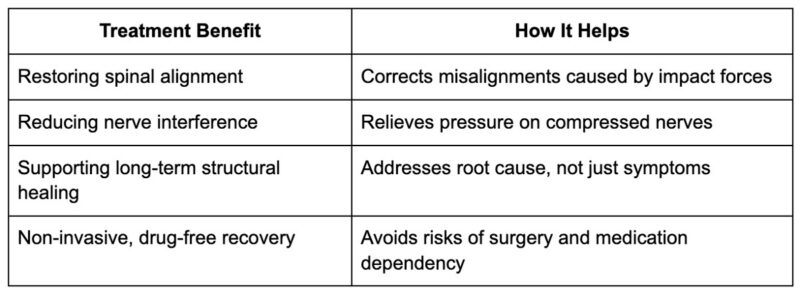
As your chiropractor Huntsville AL, we use advanced techniques including Chiropractic BioPhysics for accident injuries to restore proper spinal curves and alignment that trauma disrupts.
Take the First Step Toward Recovery After a Vehicle Collision
The most common injuries sustained through a vehicle collision don’t always announce themselves immediately. Some develop gradually over days or weeks. Others hide beneath adrenaline and shock, only revealing themselves once your body begins to settle.
That’s why early care matters so much. The sooner you’re evaluated and treated, the better your chances of complete recovery without chronic complications.
What to expect during an accident injury evaluation:
- Comprehensive examination of your spine and injured areas
- Imaging (X-rays, MRI) when necessary to assess structural damage
- Personalized treatment plan addressing your specific injuries
- Ongoing monitoring and adjustments as you heal
Don’t wait for pain to become unbearable. Don’t assume you’ll “just get better” on your own. Get evaluated, get treated, and give your body the support it needs to heal properly.
Ready to start your recovery? Visit North Alabama Spine & Rehab in Huntsville, AL and book your post-accident evaluation today – early care = better outcomes.