
Why Poor Posture Gets Worse As You Age and How It Affects Your Spine
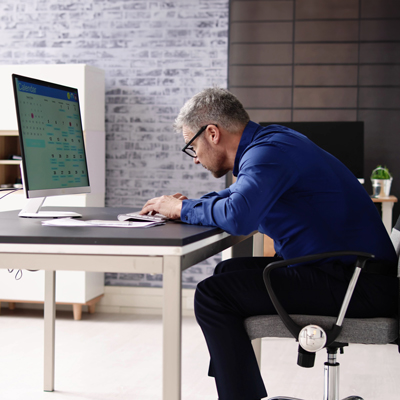
Have you noticed your posture slipping as the years go by? You are not alone. Poor posture often gets worse as you age, and many people start to stand less upright over time. The reason is that aging brings natural changes to your muscles, bones, and spine. In this guide, we explain why poor posture gets worse with age, how it affects your spine and overall health, and simple steps that can help prevent it.
What Happens to Your Posture as You Age
When you are young, strong muscles and healthy bones help you stand tall with little effort. As you get older, your body shifts in ways that make good posture harder to keep. These postural changes happen slowly, so you may not notice them at first. Over time, the shoulders may round forward, the upper back may curve more, and the body may begin to lean. The good news is that understanding what causes these shifts can help you slow them down.
Why Poor Posture Gets Worse with Age
A few natural changes work together to affect your posture as you age.
- You lose muscle. People tend to lose muscle mass and strength with age. When the core and back muscles that support your spine get weaker, it is harder to stay upright, and you may start to slouch.
- Your bones change. They can become less dense over time, a process linked to bone loss, osteopenia, and osteoporosis. As the vertebrae lose calcium and weaken, the spine can curve forward.
- Your discs shrink. Between the bones of your spine are soft cushions called discs, sometimes spelled disks. With age, these disks lose water and shrink. This disk shrinkage brings the vertebrae closer together, so you may even lose a little height.
- Your joints stiffen. Joints lose some flexibility as you age, which limits movement and makes it harder to hold a good position.
- Years of habits add up. Decades of slouching, screen time, and sitting can lock in poor posture little by little.
How Poor Posture Affects Your Spine and Health
Poor posture does more than affect how you look. Over time, it can affect your spine and your overall health.
When the spine stays out of line, it puts extra stress on the muscles, joints, and the discs between the vertebrae. This can lead to back pain, neck pain, and stiffness. The added pressure can also irritate a nerve and cause pain that spreads. A forward curve can throw off your balance, which raises the risk of falls. In more severe cases, a strong forward curve presses on the chest and limits how much the lungs can expand. Poor posture can even lower your energy and affect your mood. Left alone, these problems can lead to chronic pain.
Posture Changes with Age You Might Notice
Posture changes with age can be easy to miss day to day. Common signs include rounded shoulders, a head that sits forward, a more curved upper back, and a slow loss of height. You might also feel new stiffness, or notice that standing up straight takes more effort. If you see these signs in yourself or a loved one, it is a good time to take action.
A Simple Posture Check You Can Try at Home
Not sure how your posture looks? Try this quick check against a wall. Stand with your back to a wall, with your heels, hips, shoulders, and head lightly touching it. If your head sits far in front of the wall, or your lower back leaves a large gap, your posture may need some work. You can also ask a friend to take a photo from the side, so you can see how your ears, shoulders, and hips line up. Doing this every few months helps you spot small shifts early, before they become harder to fix.
How to Help Prevent Posture Problems as You Age
You cannot stop aging, but you can do a lot to protect your posture and spine. These simple habits help prevent problems:
- Stay active. Regular movement keeps your muscles and joints working well.
- Build core strength. Strengthening exercises for the core and back help support your spine and keep you upright.
- Stretch often. Gentle stretching improves flexibility, so you can move and stand more easily.
- Set up your space. Keep screens at eye level and sit with support to reduce slouching.
- Protect your bones. Staying active and eating well help keep them strong as you age.
Small daily habits add up, and they can slow many of these postural changes.
Treatment Options for Posture and Spine Health
If poor posture is already causing pain or stiffness, you do not have to live with it. A doctor or chiropractor can assess your spine and build a treatment plan for your needs. Care may include chiropractic adjustments to improve alignment, rehab and strengthening exercises to support your spine, and posture training for daily life. Physical therapy can also help rebuild strength and movement. Catching posture problems early usually makes them easier to manage, so it is worth getting checked sooner rather than later. The first step is a simple exam to see what is going on.
Is It Ever Too Late to Improve Your Posture?
It is never too late to work on your posture. While some wear in the spine is permanent, many people still see real gains in comfort, strength, and how they stand and move. The body responds to steady effort at any stage of life. Gentle exercise, better daily habits, and professional care can all help you stand taller and breathe easier. The key is to start where you are and stay consistent, even with small steps.
Caring for Your Spine at North Alabama Spine & Rehab
Good posture is worth protecting at any age, and the right care can make a real difference. Dr. Adam Shafran, DC, has 30 years of experience helping people with posture and spine health in Huntsville. With a background in exercise science and certification in Chiropractic BioPhysics, he focuses on correcting posture and spinal alignment for lasting results.
At North Alabama Spine and Rehab, the team offers corrective chiropractic care, spinal decompression, and rehab to support your spine as you age. If poor posture or back pain is slowing you down, a simple appointment can help you find answers.
FAQs
Why does posture get worse with age?
Aging brings muscle loss, weaker bones, and shrinking discs. Together these changes make it harder to stand upright, so posture tends to slip.
Is poor posture bad for your health?
Yes. Over time it can lead to back and neck pain, stiffness, poor balance, and even less room for your lungs.
When should I see a doctor about my posture?
If you have ongoing pain, stiffness, or a clear change in how you stand, it is a good idea to get checked.