
Why Sciatica Gets Worse When Sitting or Driving
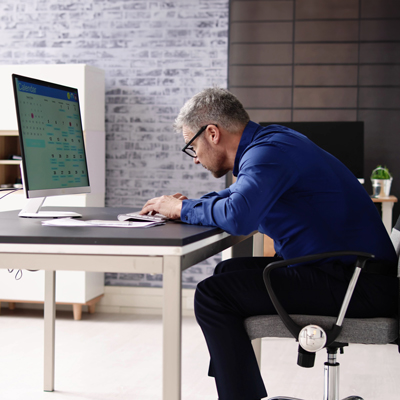
If your sciatica gets worse when sitting or driving, you are not imagining it. Long stretches in a seat are one of the most common triggers for sciatica pain. The reason is simple. Sitting puts extra pressure on your lower back and the discs that press near the sciatic nerve. Driving makes it even harder, because you stay in one position for a long time. This guide explains why sitting and driving make sciatica worse, and simple ways to feel better. Millions of people deal with this every day, from office workers to long haul drivers.
Why Sitting and Driving Make Sciatica Worse
Sitting may seem like a chance for your back to rest, but it often does the opposite if you have sciatica. Sitting places more pressure on the lumbar spine than standing. If a disc is already bulging or herniated, that extra pressure can irritate the sciatic nerve or nearby nerve roots. Poor posture, especially slouching, and tight hip flexors from sitting too long can increase the strain even more.
Driving adds even more stress. You stay in the same position for long periods, many car seats provide limited lumbar support, and road vibrations place extra load on your spine. Keeping one foot on the pedals and twisting to reach the steering wheel or check mirrors can also increase pressure on the lower back. Together, these factors explain why sciatica while driving often feels worse than sitting at home or at work.
How to Ease Sciatica While Sitting and Driving
Do Not Stay in One Position Too Long
Your body is designed to move. If you have been sitting for 30-60 minutes, stand up, walk around, or gently stretch. During long drives, pull over when it is safe and take a short walk before getting back on the road.
Improve Your Sitting Position
Adjust your chair or car seat so your lower back keeps its natural curve. A small cushion or lumbar support can make sitting more comfortable and reduce pressure on the lower spine. Keep your knees level with your hips and avoid reaching too far for the pedals or steering wheel.
Stretch Tight Muscles
Gentle stretches for your hips, hamstrings, and lower back can reduce muscle tension and help the sciatic nerve move more freely. Stretch slowly and stop if any movement increases your pain.
Keep Moving Throughout The Day
Regular walking and light activity help keep the spine flexible and reduce stiffness. Even a few minutes of movement between long periods of sitting can make a noticeable difference over time.
Warning Signs You Should Not Ignore
Most sciatica eases with better posture and time. But some signs mean you should get checked soon. See a provider if you have:
- Pain that keeps getting worse or does not improve.
- Numbness or weakness in your leg or foot.
- Trouble controlling your bladder or bowels.
That last sign is rare but serious and needs emergency care. When sciatica lingers or keeps coming back, the root cause needs attention. Ignoring it can let a small problem aggravate into a bigger one, so it is smart to act early.
Treatment Options That Address the Root Cause
Simple habits help, but lasting relief comes from treating what is pressing on the nerve. Chiropractic care is a common, drug free option. Gentle adjustments help take pressure off the sciatic nerve and restore movement in the spine.
Spinal decompression can create space for a bulging disc to ease off the nerve. Physical therapy style exercises rebuild strength and support better posture. In stubborn cases, a provider may discuss injections or other pain management steps. Many people find their back pain and daily comfort improve within a few weeks of steady care. The goal is always the same. Find the source of the pressure and treat it, so the pain stops coming back for good.
How North Alabama Spine and Rehab Helps
At North Alabama Spine and Rehab in Huntsville, we help people whose sciatica flares from sitting and driving. Dr. Adam Shafran has treated back and leg pain for 30 years. His training in posture correction and body alignment targets the real cause of your pain, not just a quick fix.
We start with a careful exam to find what is pressing on your sciatic nerve, then build a treatment plan made for you. If long days at a desk or behind the wheel keep your sciatica flaring, reach out today and we will help you find lasting relief.
Frequently Asked Questions
Why does my sciatica get worse when I sit?
Sitting puts more pressure on the discs in your lower spine than standing does. That pressure can push a bulging disc against the sciatic nerve, which triggers pain.
How should I sit to avoid sciatica pain?
Sit tall with support behind your back to keep its natural curve. A small cushion and regular breaks to stand up make a big difference.
Why is driving so hard on sciatica?
Driving keeps you in one position for a long time, often with little back support and road vibration. Pressing the pedals also tightens muscles near the nerve.
When should I see a doctor for sciatica?
See a doctor if the pain keeps getting worse, spreads, or comes with numbness or weakness. Care that treats the root cause can stop it from coming back.